Source Educational LCD Writing Tablet with 112 Cards for Kids, Students, and Artists
Compare 30 listings of educational LCD writing tablet with 112 cards from verified suppliers. These digital drawing boards support pressure induction and are suitable for children aged 3-7 years and all ages.
Key considerations
Products List


$1.00 - $10.00
Moq: 10




Comprehensive Sourcing Guide
Strategic Sourcing Guide for Educational LCD Writing Tablets with Card Sets
Understanding Product Specifications and Core Functionality
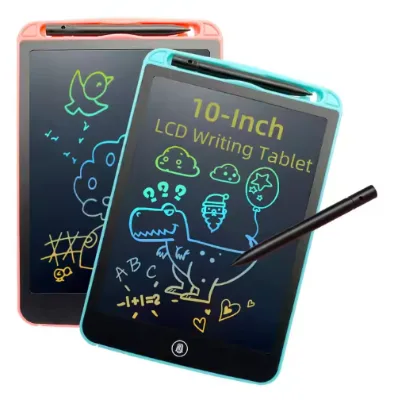
When sourcing an educational LCD writing tablet with an integrated set of 112 cards, buyers must first distinguish between the primary writing surface and the supplementary learning materials. The core device typically functions as a digital drawing board, utilizing LCD technology to provide an eco-friendly alternative to traditional paper. Based on observed market data, these units often feature specific dimensions, such as 262.5164.59mm, which suggests a portable form factor suitable for young learners. The screen technology is frequently described as a capacitive screen, requiring a specialized stylus for operation.
The stylus itself is a critical component of the user experience. In many configurations, the pen utilizes electromagnetism or pressure induction to detect input, ensuring that the writing feels natural to a child. The pen dimensions observed in the market can be as small as 130*9mm, designed to fit comfortably in the hands of children aged 3 to 7 years. It is essential to verify whether the specific unit includes the 112 cards mentioned in the core keyword. These cards are typically physical inserts or digital templates that guide the child in tracing letters, numbers, or shapes. The product attributes indicate that these tablets are often marketed as "Drawing Boards" with a "Toy Department" classification, suggesting a focus on early childhood development.
The power requirements for these devices are generally low. Specifications point to a 5V 1A input, which is standard for USB charging. Battery capacity varies significantly across different models; some units are equipped with smaller batteries around 500mAh, while more robust educational tablets may feature capacities between 6000mAh and 8000mAh. For a device intended for classroom or extended home use, a higher capacity battery is preferable to ensure longevity between charges. The material composition is predominantly ABS plastic combined with the LCD screen, offering durability against drops and impacts common in a learning environment.
Compliance, Certification, and Safety Standards
Safety and regulatory compliance are non-negotiable when procuring educational toys for children. The primary certification observed in the supply chain for these devices includes CE and FCC marks. The CE certification indicates conformity with health, safety, and environmental protection standards for products sold within the European Economic Area. The FCC certification is mandatory for electronic devices sold in the United States, ensuring that the device does not emit harmful levels of radio frequency interference.
Buyers must verify that the specific supplier provides valid documentation for these certifications. While some product listings mention "Certification: Yes," this is a generic attribute that requires validation against the specific batch of goods being purchased. The age range for these products is frequently listed as 3-7 years, but some variations are marked for "All Ages." This distinction is crucial for compliance, as toys for younger children often require stricter testing for small parts and chemical safety.
The material safety is another critical area. The use of ABS plastic is standard, but buyers should request Material Safety Data Sheets (MSDS) to confirm the absence of harmful substances like BPA or phthalates, which are often restricted in children's products. Additionally, the battery type must be scrutinized. Some specifications list "Cr2025 Battery," which is a coin cell battery. If the device relies on coin cells, the battery compartment must be secured with screws to prevent accidental ingestion by young children. For devices with built-in rechargeable batteries, the safety of the lithium-ion or lithium-polymer cells must be verified against international transport regulations.
Cost Drivers and Pricing Dynamics
The price of an educational LCD writing tablet with 112 cards is influenced by several variable factors. The observed price range in the market spans from $0.05 to $1103, a vast disparity that reflects differences in quality, functionality, and order volume. At the lower end of the spectrum, prices likely correspond to basic models with minimal features, smaller screens, or lower-quality packaging. The upper end of the range may include premium models with advanced features such as built-in cameras, dual-band WiFi, quad-core processors, and larger battery capacities.
The inclusion of 112 cards is a significant cost driver. These cards add material costs, printing expenses, and packaging complexity. Buyers should clarify whether the cards are included in the base unit price or sold as an add-on. The packaging method also impacts cost; options range from simple paper boxes to color boxes and master cartons. More elaborate packaging often correlates with a higher retail price but can be essential for gift positioning, such as for Christmas, Easter, or birthdays.
Minimum Order Quantity (MOQ) is another critical factor affecting the unit cost. The observed MOQ range is between 1 and 3000 units. Suppliers often offer tiered pricing, where the unit cost decreases as the order volume increases. For a buyer seeking a specific configuration with 112 cards, negotiating the MOQ is essential. High-volume orders may unlock better pricing but require careful inventory management. Additionally, customization options, such as adding a company logo or specific educational content to the cards, will increase the unit cost and may extend the lead time.
Typical Applications and Target Demographics
Educational LCD writing tablets with card sets are designed primarily for early childhood education and home learning environments. The target demographic is predominantly children aged 3 to 7 years, a critical period for developing fine motor skills and literacy. The "Unisex" classification indicates that these products are suitable for all children, regardless of gender, though some listings specify "Boys" or "Girls" for marketing purposes.
In a classroom setting, these tablets serve as interactive learning tools. The 112 cards allow teachers to introduce structured lessons on alphabet tracing, number recognition, and basic drawing. The ability to erase the screen instantly with a single button press makes the device ideal for repetitive practice without the waste of paper. The "Wireless Network" and "WiFi" capabilities found in some advanced models suggest potential for digital integration, allowing for cloud-based lesson plans or connectivity with other smart devices.
For parents, these tablets offer a screen-free alternative to tablets and smartphones, reducing exposure to blue light while still providing an engaging digital experience. The "Drawing Board" type and "Color: Pink" options highlight the aesthetic appeal for young children, making the device a desirable gift. The "Gift Choice for: Christmas/Easter/Birthday" attribute underscores their role as seasonal presents. The versatility of the product allows it to be used in various settings, from quiet time at home to active learning in preschools and tutoring centers.
Supplier Evaluation and Quality Control Protocols
Selecting a reliable supplier requires a rigorous evaluation process. Buyers should prioritize suppliers who demonstrate transparency in their manufacturing processes and provide clear product specifications. The origin of the products is often listed as "China" or specifically "Guangzhou, China," a major hub for electronics manufacturing. While this indicates a robust supply chain, buyers must verify the specific factory's reputation and capacity.
Quality control (QC) is paramount for educational toys. Buyers should implement a multi-stage QC protocol. First, verify the physical dimensions and build quality, ensuring the ABS plastic is free of defects and the LCD screen is responsive. Second, test the functionality of the 112 cards to ensure they are durable and correctly printed. Third, conduct safety tests on the battery and electrical components to ensure compliance with CE and FCC standards.
When evaluating suppliers, look for those who offer customization services, as indicated by the "Customization: Available" attribute. This flexibility allows buyers to tailor the product to their specific market needs. However, customization can introduce risks, so buyers must ensure that the supplier has a proven track record of maintaining quality during the customization process. Requesting pre-production samples is a best practice to validate the final product before committing to a large order.
Long-Term Procurement and Warranty Considerations
Long-term procurement success depends on establishing a sustainable relationship with the supplier and ensuring product longevity. The warranty description for these products is typically listed as "1 Year," which provides a baseline for after-sales support. Buyers should clarify the terms of this warranty, including coverage for battery failure, screen defects, and card damage.
Inventory management is another long-term consideration. Given the wide range of specifications, such as screen sizes from 8.5 inches to 10 inches, and battery capacities, buyers should maintain a diversified inventory to meet varying customer demands. The "Customized" standard option suggests that suppliers can adapt to changing market trends, which is valuable for long-term planning.
Finally, buyers should consider the environmental impact of their procurement. The LCD technology and the ability to erase and reuse the screen align with sustainability goals. However, the disposal of electronic components and batteries must be managed responsibly. By focusing on suppliers who adhere to environmental standards and offer durable, high-quality products, buyers can ensure a positive long-term impact on their customers and the environment.
Comparative Analysis of Product Attributes
To assist in decision-making, the following table summarizes key attributes observed in the market for educational LCD writing tablets. This comparison highlights the variability in specifications that buyers must navigate.
| Attribute | Observation A | Observation B | Observation C |
|---|---|---|---|
| Screen Size | 8.5 inch / 10 inch | 10 Inch | 262.5*164.5mm |
| Battery Capacity | 500mAh | 6000mAh-8000mAh | Cr2025 (Coin Cell) |
| Connectivity | Bluetooth | Dual Band WiFi | None specified |
| Operating System | Android | None (Basic LCD) | None (Basic LCD) |
| Age Range | 3-7 Years | All Ages | 3-7 Years |
| Material | ABS+LCD | ABS+LCD | ABS+LCD |
| Certification | CE, FCC | CE | Yes |
| Packaging | Color Box+Master Carton | Paper Box | Carton |
| Customization | Available | Customized | Customized |
This table illustrates that while the core function remains consistent, the technical specifications vary widely. Buyers must align these attributes with their specific requirements, such as the need for a rechargeable battery versus a coin-cell model, or the necessity of WiFi connectivity for advanced features. By carefully analyzing these differences, buyers can make informed decisions that balance cost, functionality, and safety.
FAQs
What certifications do these tablets have?
The tablets typically carry CE and FCC certifications. These marks indicate compliance with safety standards for the European Economic Area and radio frequency interference limits for the United States, ensuring the device is safe for children aged 3 to 7 years.
How large is the screen on the main model?
The screen size is commonly 10 inches or 8.5 inches. Some specific models feature dimensions of 262.5 by 164.5 millimeters, providing a portable writing surface suitable for young learners using the included 112 cards for tracing activities.
Can the device be customized for branding?
Yes, customization is available for these units. Buyers can request specific packaging or product attributes, though lead times may vary based on the extent of the customization required for the educational LCD writing tablet with 112 cards.
What is the battery capacity for these devices?
Battery capacity varies significantly across different models. Some units have a 500mAh capacity, while others feature larger rechargeable batteries between 6000mAh and 8000mAh, or may use a Cr2025 coin cell battery depending on the specific configuration.
Which operating system do the advanced models use?
Advanced models often run on the Android operating system. These units may include a quad-core CPU, built-in Bluetooth, and a capacitive screen, distinguishing them from basic LCD boards that do not require an external operating system.
What is the warranty period for the product?
The standard warranty description for these products is 1 year. This coverage typically applies to defects in materials and workmanship, ensuring reliability for educational use in classrooms or home environments for children.
How is the product packaged for shipping?
Packaging options include color boxes, paper boxes, or master cartons. The specific packing method depends on the order volume and customization, often designed to protect the ABS and LCD materials during transit from Guangzhou, China.